Our mission
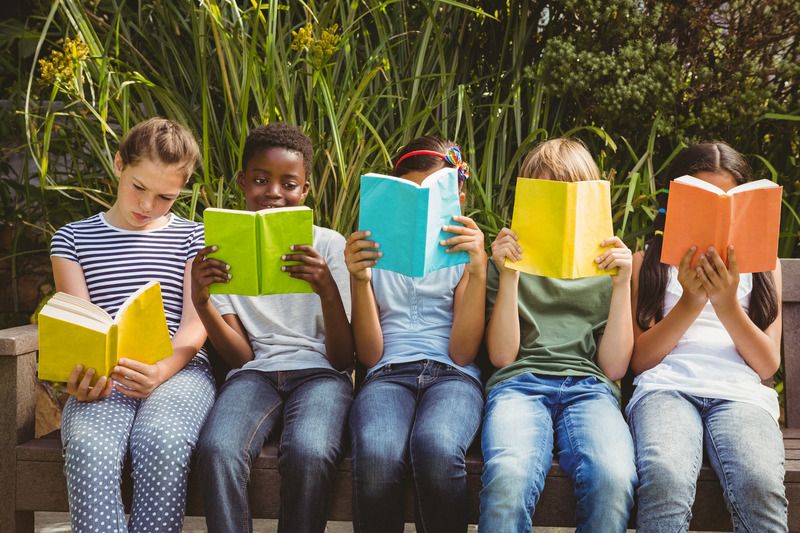
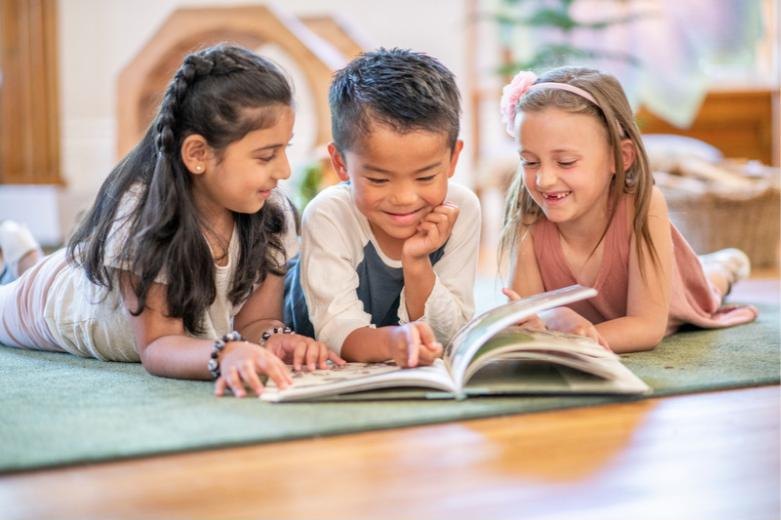
Our books help young children learn, build healthy habits, understand others and love reading.
We believe every child deserves the chance to reach their potential, whatever their abilities, family or background.
Our books
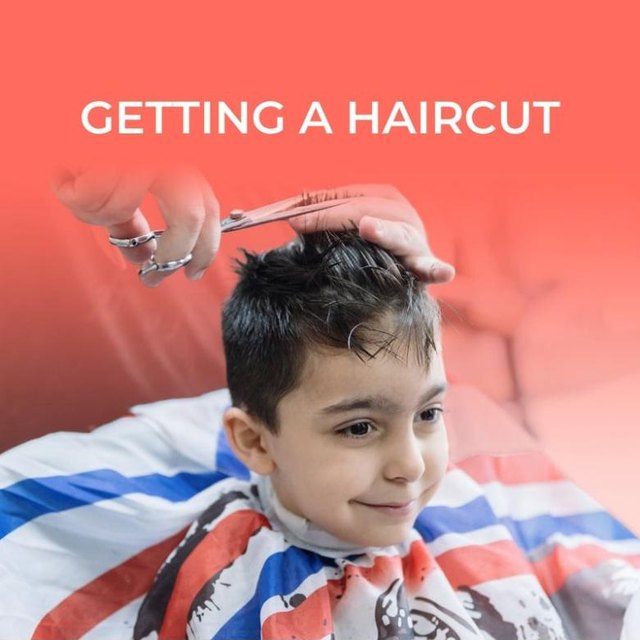
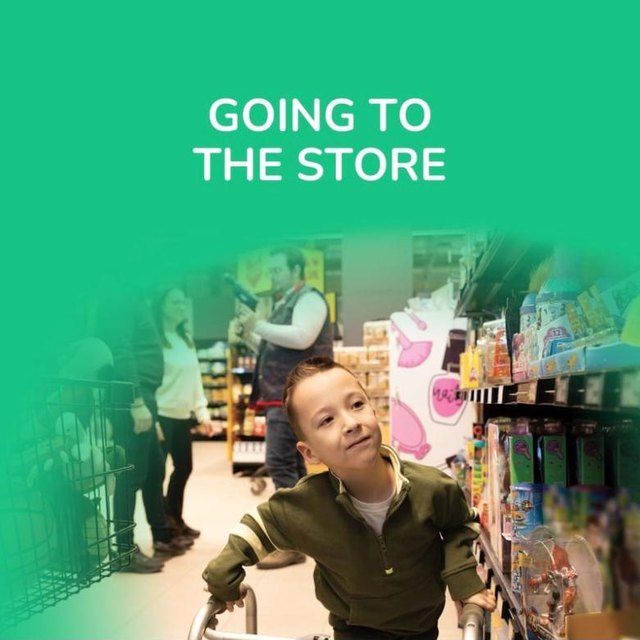
Our books use real photos of real children in everyday moments: feeling sick, getting a haircut, going to the store, a first visit to the theater. Some of our heroes are children with autism, cerebral palsy, and spinal muscular atrophy. We aim to break down stereotypes by showing children as they are.
You can find them in English, Spanish, French, Portuguese, Dutch and Serbian in 18 countries.
Read them with your child and enjoy growing together.
Our library
All proceeds from book sales directly support our non-profit mission.
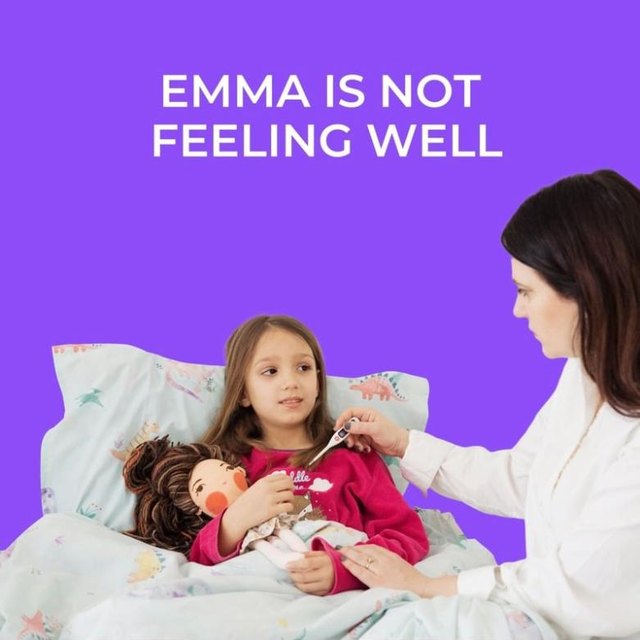
Emma is Not Feeling Well
A heartwarming journey from illness to recovery, teaching kids about care and healing in a comforting way.
Getting a Haircut
A delightful visit to the hair salon that turns children's haircut fears into a fun and comforting adventure.
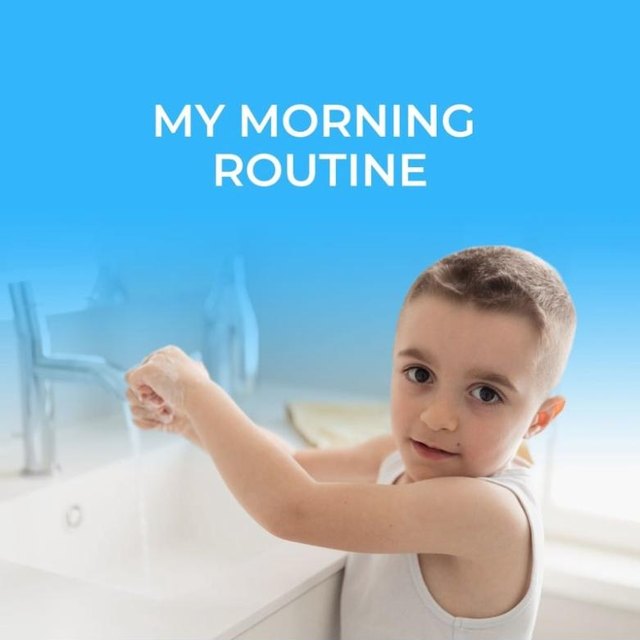
My Morning Routine
Turning daily routines into a joyful step toward independence for young kids.
Going to the Store
A shopping trip that teaches the basics of financial literacy.
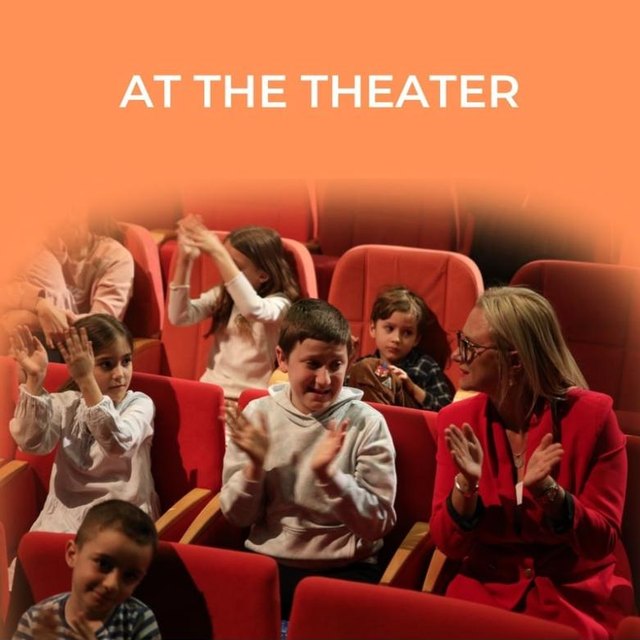
At the Theater
Preparing for a new experience, a visit to the theater, featuring a boy with autism and a caring friend.

At the Playground
A trip to the playground with a boy with cerebral palsy that opens a conversation with children about differences and what they bring when we understand and accept them.
Coming soon
Science behind
Shared reading
The American Academy of Pediatrics reports that shared reading, in which a parent or caregiver discusses the book with the child, develops the child's language and literacy skills and supports their cognitive, emotional and social development.
Real-life situations
Research with children aged 3 to 6 shows that they are more likely to apply what they learn from a story to real life when its characters are real people rather than fantasy characters.
Physical books
A study with 165 parents and their children found that when they read a printed book, they talk more about the story and children understand it better than with electronic books.